How to Spot Roof Leaks Early: A Boca Raton Homeowner’s Guide
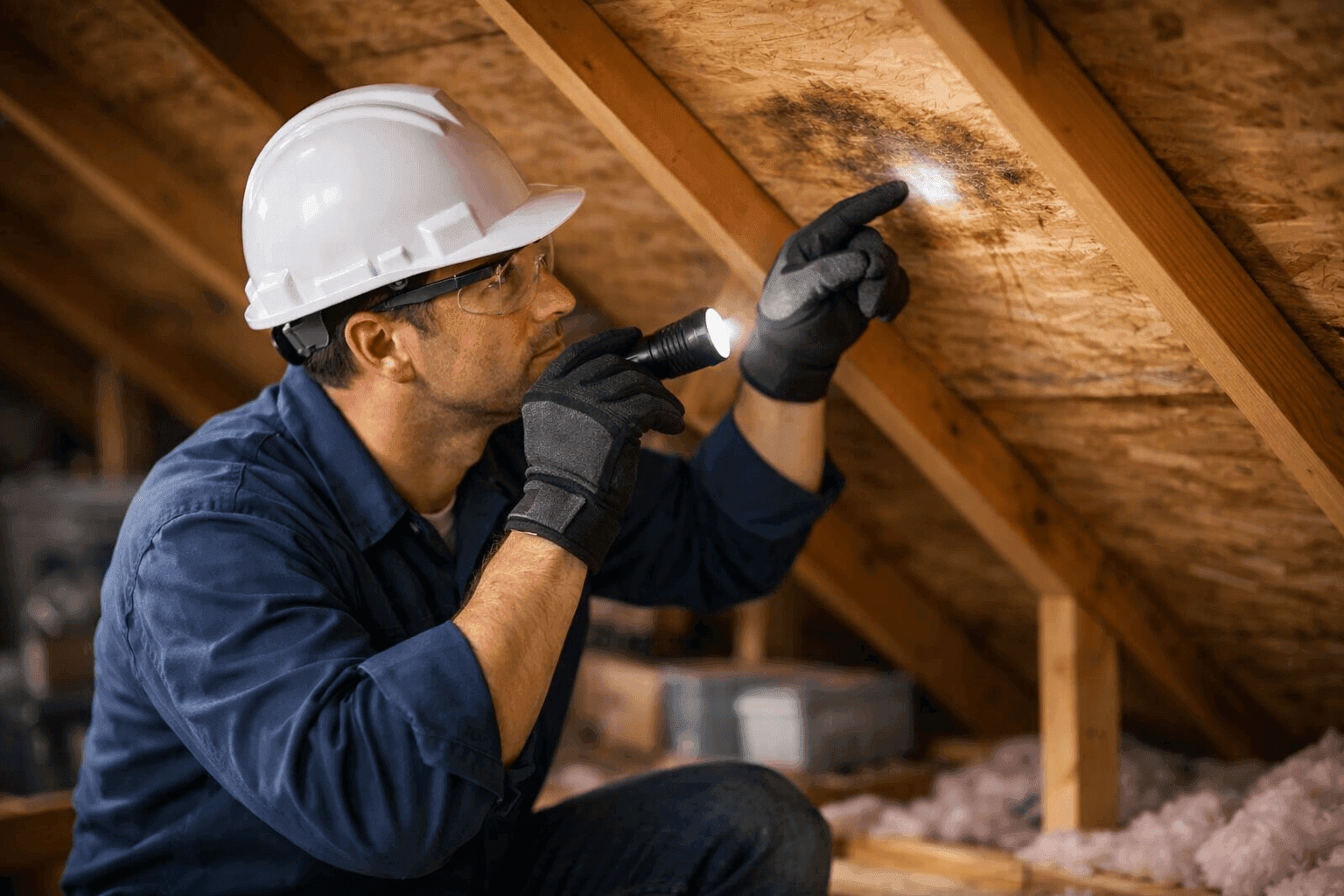
Owning a home in Boca Raton comes with sunshine, tropical breezes—and relentless rainstorms. Your roof is the silent shield protecting everything beneath it. When leaks start, they rarely announce themselves with a bang. Instead, they sneak in quietly. Left unnoticed, a tiny drip can become a costly nightmare.
At MacDowell Roofing, we’ve seen how a quick spot check can save homeowners thousands. Let’s break down the subtle signs and simple steps you can take—so you catch leaks before they catch you off guard.
Common Signs of Roof Leaks in Boca Raton Homes 🏠
A roof leak isn’t always a dramatic water stain on the living room ceiling. Most start with subtle clues, especially in South Florida’s humid climate. Here’s what to watch for:
- Discolored ceiling spots: Look for yellow, brown, or gray patches—often with fuzzy edges.
- Peeling or bubbling paint: Moisture behind drywall or plaster causes paint to lift or blister.
- Musty odors: A persistent, damp smell in a room or attic can mean hidden mold from a slow leak.
- Mold or mildew growth: Check corners, baseboards, and attic rafters.
- Warped or buckling drywall: Waterlogged drywall may bend or bulge.
- Dripping during storms: Obvious, but even a single drip isn’t normal.
Outside, scan for:
- Missing, cracked, or curled shingles: Especially after storms or hurricanes.
- Damaged flashing: Flashing is the metal sealing chimneys, skylights, and vents. Rust, gaps, or bending can let water in.
- Granules in gutters: Excess shingle granules in your gutters often signal worn-out roofing.
- Clogged or overflowing gutters: Water backing up can find its way under the roof edge.
Why Early Detection is Crucial in South Florida
Boca Raton’s climate is beautiful, but tough on roofs. Heavy summer rains, hurricane-force winds, and year-round humidity mean small leaks can escalate quickly. Here’s why acting early matters:
- Mold spreads fast in warm, humid air, risking health and structural damage.
- Wood rot can sneak into rafters, decking, or attic spaces, weakening your home’s bones.
- Insurance claims may be denied if damage is due to neglect or delayed maintenance.
- Energy bills rise when moisture damages insulation, making your AC work overtime.
Think of your roof like a raincoat. One small tear, and the next downpour soaks through. Early detection keeps that protective layer strong.
Step-by-Step Visual Checks for Homeowners 👀
You don’t need a ladder or a background in roofing to catch early signs of trouble. Here’s a homeowner-friendly routine:
1. Inside Your Home
- Start in the attic: Use a flashlight. Inspect the underside of the roof deck for dark spots, streaks, or visible drips after rain.
- Check ceilings and walls: Walk each room. Look up for stains, bubbling paint, or sagging drywall.
- Sniff for mustiness: Trust your nose—hidden leaks often smell before they show.
2. Outside Your Home
- Walk the perimeter: Look up at your roofline. Any sagging, missing shingles, or debris?
- Inspect gutters and downspouts: Make sure they’re clear. Overflowing water is a red flag.
- Look at roof penetrations: Skylights, chimneys, and vents should have intact, rust-free flashing.
- Scan for shingle debris: Piles of granules or pieces of tile by downspouts mean it’s time for a closer look.
Safety tip: Never get on a wet, steep, or unfamiliar roof. Most signs are visible from the ground or attic.
When to Call a Professional
Not every water spot means disaster. But some warning signs need quick action:
- Repeated leaks in the same spot
- Water stains that grow after every rain
- Visible mold or a musty attic
- Sagging ceilings or walls
- Roof surfaces that look warped or sunken
If you’re unsure, professional roof inspections go deeper than a DIY check. Roofing pros use moisture meters, thermal cameras, and decades of local experience to spot hidden problems—especially in older homes or after major storms.
The Impact of Boca Raton’s Weather on Your Roof 🌧️
South Florida’s storms are legendary. Here’s how local weather affects leak risks:
- Hurricane season (June–November): High winds can rip shingles, break tiles, and compromise flashing. Always check your roof after a major storm.
- Heavy summer rain: Saturated roofs expose even minor flaws.
- Humidity: Encourages mold, even from tiny leaks. Keep attic spaces well-ventilated.
- Salt air: Near the coast, metal flashing and roof components may corrode faster.
Regular checks and maintenance are your best defense against weather-driven leaks.
Practical Leak-Prevention Tips
Routine care is easier than emergency repairs. Here’s how to stay ahead:
- Schedule annual inspections—especially before and after hurricane season.
- Keep gutters and downspouts clean to prevent water backup.
- Trim trees away from the roof to avoid branch damage and excess debris.
- Check attic ventilation and insulation to reduce moisture buildup.
- Address minor repairs promptly—don’t wait for leaks to get worse.
Read up on the latest guidelines from the Florida Building Code for roofing standards in our area.
What MacDowell Roofing Looks for During a Leak Inspection
When called for a leak repair, our team:
- Checks all roof surfaces, valleys, and penetrations for weak spots.
- Inspects flashing, sealants, and skylight edges.
- Uses moisture detection tools to find hidden water inside walls or ceilings.
- Documents every finding for your records.
- Recommends tailored repairs or preventative steps for your specific roof type—shingle, tile, or metal.
Frequently Asked Questions
How can I tell the difference between a roof leak and plumbing leak?
Roof leaks usually show up after rain, often near exterior walls or ceilings below the roofline. Plumbing leaks tend to stay consistent—rain or shine—and are more common near bathrooms or kitchens.
Is a small stain on my ceiling really urgent?
Yes, especially in Florida’s humid climate. Even a small, persistent stain can mean water is collecting above. Addressing it quickly prevents mold and bigger repairs later.
How often should I have my roof inspected?
At least once a year—and always after major storms or hurricanes. Older roofs and homes with skylights or chimneys may need more frequent checks.
Can I fix a leak myself?
Some minor issues, like gutter cleaning or replacing a missing shingle, are DIY-friendly. But most leaks—especially those involving flashing, skylights, or structural repair—are best left to pros to avoid injury and ensure lasting fixes.
Related Roofing Services
Stay proactive with these services from MacDowell Roofing:
- Roof Inspections: Comprehensive checks for all roof types.
- Roof Repair: Fast, reliable solutions for leaks, storm damage, and more.
Ready to Protect Your Home?
A healthy roof means peace of mind—rain or shine. If you see signs of a leak, or just want to be sure your home is ready for whatever the Boca Raton weather brings, our local team is here to help.
Call MacDowell Roofing now — or reach us anytime at (561) 489-8779 .